

Professional house cleaning service: what it actually includes
A professional house cleaning service sends a trained crew to a home on a scheduled or one-time visit, follows a documented scope of work, and leaves the space measurably cleaner than the homeowners could reasonably achieve in the same window. That sentence sounds simple, but the practical difference between a professional visit and a Saturday spent with a spray bottle and a rag is the difference between a one-person chore and a small operational job. Crews arrive in pairs or teams, work from a written checklist, bring commercial-grade supplies, and price the work against square footage, room count, or a flat rate per task.
For homeowners, the appeal is not just a cleaner kitchen. It is the predictability: a known price, a known time window, and a known outcome, with recourse if the result falls short. For renters, landlords, and real estate agents, a professional visit is often a way to reset a property between occupants or before a listing goes live. The category has grown steadily in the United States because busy dual-income households, an aging population that wants to age in place, and a steady churn of short-term rental properties all push demand for the same kind of help.
This guide walks through what a professional house cleaning service actually delivers, how the work is priced, what the visit looks like from the inside, how to vet a company, and where the limits of a cleaning visit sit. It is written for readers who want to hire with confidence rather than pick the first name on a search page.
What a professional house cleaning service actually does
Every professional house cleaning service builds a scope of work around rooms, surfaces, and tasks. The list below covers what a standard maintenance visit usually includes. Deep cleaning, move-out cleaning, and post-construction cleaning are more involved and are priced separately.
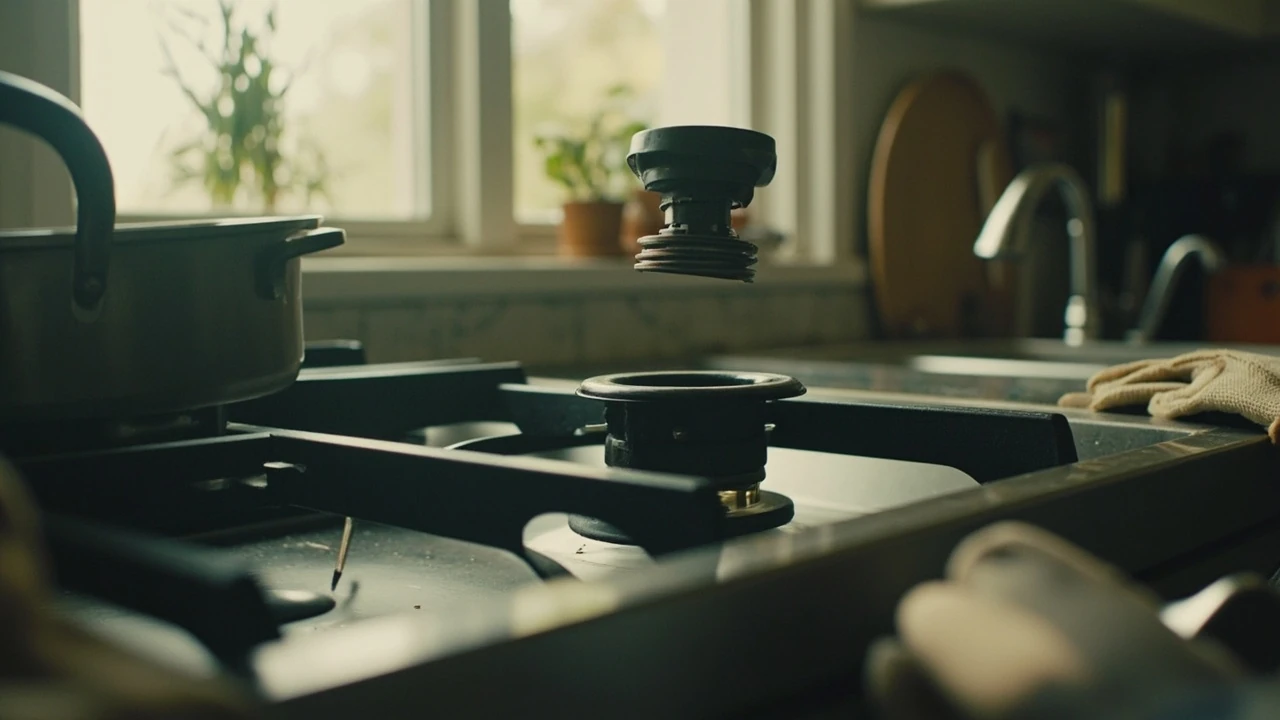
- Kitchen: wipe down countertops and exteriors of appliances, clean the stovetop, degrease the range hood exterior, clean the inside of the microwave, scrub the sink, and spot-clean cabinet fronts. Floors are vacuumed and mopped.
- Bathrooms: scrub the toilet, tub, and shower, polish mirrors and fixtures, wipe down counters and cabinet exteriors, and mop the floor. Glass shower doors are wiped if accessible.
- Living areas and bedrooms: dust reachable surfaces, wipe down electronics with a dry cloth, vacuum carpets and rugs, mop hard floors, and tidy obvious clutter. Beds are made with the homeowner’s own linens unless laundry is part of the contract.
- High-touch points: light switches, door handles, remote controls, and stair rails are disinfected on every visit because they collect skin oils and germs faster than most surfaces.
- Floors throughout: vacuumed with a HEPA or sealed-bag unit, then mopped with a fresh pad. Professional crews use color-coded microfiber so a bathroom pad never touches a kitchen floor.
A good provider documents this list before the first visit. If the company is vague about what its “standard cleaning” actually means, that is a signal to ask for the checklist in writing before booking.
How pricing actually works
Three pricing models dominate the residential cleaning market in the United States. Understanding which one a company uses explains most of the variation between quotes.
| Model | How the price is set | Typical range for a 2,000 sq ft home | Best fit |
|---|---|---|---|
| Flat rate per visit | Fixed price for a defined scope, often by bedroom and bathroom count | Around $150 to $300 per visit | Homes with consistent clutter levels and predictable scope |
| Hourly rate | Per cleaner, per hour, often with a minimum number of hours | About $40 to $75 per cleaner per hour, with a 2- or 3-hour minimum | Homes with unusual layouts, heavy clutter, or one-time deep cleans |
| Square footage | Price per square foot, sometimes with a room-count minimum | About $0.10 to $0.20 per square foot | Large homes with predictable layouts, multi-unit properties |
Flat rates are the easiest to budget against, but only when the scope is stable. If a home has a different number of occupants each week, or the homeowner is between move-out and listing dates, hourly billing can be fairer. Square-footage pricing is the most common model for franchises, and it is where bundled discounts tend to show up for recurring weekly or biweekly service.
One-time, recurring, and specialty visits
Most companies tier the work into three categories. Knowing which one is being quoted prevents surprise charges.
| Visit type | Scope | Typical use | Pricing adjustment vs. standard |
|---|---|---|---|
| Standard maintenance | Dust, vacuum, mop, kitchen and bath reset, surfaces wiped | Weekly, biweekly, or monthly recurring visits | Base price |
| Deep cleaning | Adds baseboards, window sills, vent covers, cabinet exterors, behind small appliances | Spring reset, first visit on a new account, post-illness | Often 25 to 50 percent above base |
| Move-in / move-out | Empty home cleaned top to bottom, including inside cabinets, oven, and refrigerator | Lease turnover, sale prep, estate cleanouts | Often 50 to 100 percent above base, sometimes quoted flat |
A professional house cleaning service will usually ask what kind of visit is being booked at the quote stage. If a company quotes the same price for a deep clean and a maintenance visit, ask what is actually included. The two are not interchangeable, and the difference shows up the first time a baseboard is skipped.
What the visit itself looks like
Knowing the sequence of a professional visit removes the friction of having strangers in the home. Most visits follow the same general rhythm.
- Arrival window confirmation: the day before, the company confirms a window such as 9:00 to 11:00 a.m. Crews usually arrive at the back end of the window, not the front, to absorb traffic and access delays.
- Walk-through: lead cleaner walks the home with the homeowner or uses a photo-based intake, notes any problem areas, and confirms scope. This is the moment to point out stains, fragile items, or areas that should be skipped.
- Setup: crew unloads supplies, sets up a color-coded system, and starts with the highest rooms, working downward so dust and debris fall onto surfaces that have not been cleaned yet.
- Work sequence: bathrooms first, then kitchen, then living areas and bedrooms, with floors last. The pattern keeps already-cleaned rooms from being walked through with wet shoes.
- Final walk-through: lead cleaner reviews the result with the homeowner, flags any issues, and books the next visit if the relationship is recurring.
Most two-person crews clean a 2,000 square foot home in about two and a half to three and a half hours. Larger homes, heavy pet hair, or significant clutter extend the visit.
Supplies, equipment, and what is better brought in
Ask early whether supplies are included. Reputable companies bring their own, because their equipment is matched to the products they use and is replaced on a regular cycle. Homeowners often save money by letting the crew supply everything.
- Microfiber cloths in a color-coded system: red for bathrooms, green for kitchens, blue for living areas, yellow for general dusting. This is the standard that prevents cross-contamination.
- Commercial backpack or canister vacuum with sealed filtration. Better units trap fine dust that residential machines blow back into the air.
- Flat microfiber mop system with fresh pads per room. Mop-and-bucket systems are still common but they reuse dirty water.
- EPA-registered disinfectants for high-touch points. A service that does not know what it is using on kitchen surfaces is one to avoid.
- Optional specialty tools: extension poles for high ceilings, steam cleaners for grout, and HEPA vacuums for homes with asthma or pet dander concerns.
If the homeowner has preferred products, such as a particular hardwood floor cleaner or a fragrance-free line, that is worth flagging at the quote stage. Most services will accommodate, though a small number prefer their own supplies for liability reasons.
How to vet a professional house cleaning service
Cleaning is an unregulated industry in most U.S. states, which means the quality of vetting is on the customer. The list below is the practical sequence most consumers use to separate solid providers from risky ones.
- Check that the company is registered to do business in the state and carries general liability insurance. Ask for the certificate of insurance and confirm it is current.
- Confirm worker coverage: either W-2 employees with workers’ compensation, or a clear disclosure that cleaners are independent contractors. Independent contractors are legal, but they shift injury liability onto the homeowner if an accident happens on site.
- Ask about background checks and training. Reputable providers run criminal background checks, verify references, and require a multi-day onboarding that covers technique, products, and customer conduct.
- Read recent reviews on multiple platforms. A single bad review is not a deal-breaker, but a pattern of missed visits, damage disputes, or no-shows is.
- Request a written scope, pricing, and cancellation policy. Anything verbal should be added to the contract or the booking confirmation email.
One of the easiest red flags is a quote that is dramatically lower than competing quotes. Cleaning is labor-heavy, and unusually low prices usually mean the company is under-insured, under-trained, or both.
Insurance, bonding, and what they actually cover
The terms insurance and bonding get used interchangeably, but they cover different risks. A clear table helps sort the two apart.
| Coverage | What it pays for | Who benefits | What to verify |
|---|---|---|---|
| General liability insurance | Damage to the homeowner’s property caused by the cleaning crew | Homeowner | Ask for a current certificate of insurance with coverage limits |
| Workers’ compensation | Medical bills and lost wages if a cleaner is injured on the job | Cleaner and homeowner, who is otherwise exposed to liability | Confirm the policy is active and applies in the homeowner’s state |
| Surety bond | Theft or dishonest acts by a cleaner, up to the bond limit | Homeowner, after a deductible in many cases | Confirm the bond amount, which is often modest |
A bonded and insured company is the baseline. A company that is bonded but not insured is not actually safer; the bond only covers a narrow set of incidents, and a serious slip-and-fall on the homeowner’s staircase would not be covered.
Eco-friendly and low-chemical options
Demand for green cleaning has grown steadily, and a professional house cleaning service that markets itself as eco-friendly usually takes one of two approaches.
- EPA Safer Choice products: third-party certified and stocked by major janitorial supply houses. The labeling is consistent, and the products perform at the level of conventional cleaners.
- Plant-based or DIY-style products: vinegar, castile soap, and essential oils. These work on light soil but underperform on grease, soap scum, and hard water deposits, and a service that uses only these will not always meet expectations on a deep clean.
For households with asthma, small children, or chemical sensitivities, the safer path is a service that uses certified green products in the main living areas and conventional disinfectants in bathrooms and kitchens where pathogens are a real concern. A pure “no chemicals” policy is rarely a sign of a serious provider.
How to prepare the home before a cleaning visit
A small amount of homeowner prep saves time on the clock and improves the result. The list below is what most crews wish every customer did.
- Pick up clothing, dishes, and large personal items from floors and counters. Crews will work around clutter, but they will not sort it.
- Secure pets. Many crews are happy to work around friendly animals, but a closed door or a crate keeps the visit calmer and faster.
- Communicate problem areas. Point out the bathtub that needs extra attention, the window with hard-water spots, or the cabinet that has not been wiped in a year.
- Confirm access. If the service is keyed-entry, make sure the lockbox code or hidden key is current and that any alarm codes are sent in advance.
- Set thermostats reasonably. Crews are working hard and will not perform well in a 90-degree home in August.
Common mistakes homeowners make when hiring
Most complaints about a professional house cleaning service come from the same handful of missteps, and they are easy to avoid.
- Hiring on price alone. A low quote often excludes scope items the homeowner assumed were included, and the add-ons appear on the first invoice.
- Skipping the first-visit deep clean. Bookings that start with a maintenance visit tend to disappoint, because a maintenance visit assumes a baseline of cleanliness that a one-time customer rarely has.
- Not flagging fragile items. A loose lamp shade, a family heirloom, or an unsecured TV is best moved or noted before the crew arrives.
- Assuming insurance without checking. Verbal assurance of coverage is not the same as a current certificate of insurance.
- Booking a deep clean the day before guests arrive. A deep clean of a typical home takes longer than a maintenance visit, and rushing the crew produces a rushed result.
When a cleaning service is not the right answer
A professional house cleaning service is built around routine maintenance and resets. It is not the right tool for every situation, and pushing a cleaning visit into the wrong job produces a poor outcome.
- Pest infestations: a cleaning visit will not address rodents, bed bugs, or roaches. A licensed pest control operator is the right call, and the home should be cleaned after the pest issue is resolved, not before.
- Active mold beyond surface mildew: mold on drywall, subfloor, or insulation needs remediation, not cleaning. A cleaning service should refuse the work and refer the homeowner to a remediation contractor.
- Post-construction dust: fine construction dust requires HEPA vacuuming, air scrubbers, and often a second visit. A standard cleaning crew does not have the equipment and will redistribute dust rather than remove it.
- Hoarding or severe clutter: cleaning crews are not organizers. A separate decluttering service, sometimes paired with a mental-health referral, is the right starting point.
What to do if the result is not what was promised
Recourse options depend on whether the service is part of a franchise, an independent local company, or a marketplace booking.
- Document the issue with photos and a written description sent within 24 hours of the visit. Most companies will return to fix the issue at no charge if notified promptly.
- Reference the original scope of work. If the issue is something that was not on the original checklist, the company may decline, and that response is reasonable.
- Request a partial refund for unaddressed items. A credit on the next visit is a common resolution.
- Escalate to the platform or franchise. Marketplace platforms have dispute processes, and franchises have regional managers who can intervene on a local operator.
- File a complaint with the state consumer protection office or the Better Business Bureau only as a last resort. Most issues resolve before that step.
What the broader cleaning industry looks like
The U.S. residential cleaning market is dominated by small local operators, with a meaningful share held by regional franchises and a growing share held by marketplace platforms that aggregate independent cleaners. The U.S. Bureau of Labor Statistics groups residential cleaners under maids and housekeeping cleaners, and the long-term employment outlook has remained steady as household formation has outpaced the supply of available labor. Wages for residential cleaners have risen faster than overall service-sector wages in the last decade, in part because the work is physically demanding and retention has been a persistent challenge.
For readers who want context on the broader housekeeping profession, the overview of household domestic workers and the modern cleaning role gives a useful starting point. For a closer look at how third-party verification systems work in adjacent home-services markets, including how quality standards get enforced when no government regulator is involved, the history of the Professional Coin Grading Service is an interesting case study in how an industry built its own trust infrastructure outside of formal regulation.
Frequently asked questions
How long does a professional house cleaning service visit take?
A standard maintenance visit on a 2,000 square foot home with two cleaners usually runs two and a half to three and a half hours. Deep cleans and move-out cleans take longer because the scope includes inside cabinets, baseboards, and detailed appliance work.
Do I need to be home during the cleaning?
Not necessarily. Many homeowners provide a key, a lockbox code, or a smart-lock access method. The first visit is usually a good one to be home for, both to walk the crew through the home and to confirm the result before granting recurring access.
How often should I book a professional house cleaning service?
Weekly visits keep a home in a steady state, biweekly visits handle most normal household soil, and monthly visits work for low-traffic homes or for households that handle daily tidying themselves. Homes with multiple pets, small children, or heavy cooking usually benefit from weekly or biweekly service.
Are cleaning crews employees or contractors?
It depends on the company. Larger franchises typically employ cleaners as W-2 staff, while smaller operators and marketplace platforms often use 1099 independent contractors. Both models are legal, but the difference matters for insurance liability and for the consistency of training.
What should I do with my pets during a cleaning visit?
Most crews are comfortable around friendly dogs and cats, but a closed door keeps the visit calmer and prevents accidental escapes when doors are propped open. Crating anxious animals is a good idea, and aquariums should be flagged so cleaning products are not used near them.
Can a professional house cleaning service handle green or fragrance-free requests?
Yes. Most companies will accommodate a request for EPA Safer Choice products, fragrance-free products, or specific brand preferences. Flag the request at the quote stage so the right supplies are on the truck for the visit.
What is the difference between a deep clean and a standard clean?
A standard clean covers dust, vacuum, mop, kitchen and bath reset, and high-touch surfaces. A deep clean adds baseboards, window sills, vent covers, cabinet exteriors, behind small appliances, and other areas that a maintenance visit skips. Deep cleans cost more and take longer, and they are the right starting point for a new account.
How is a move-out cleaning different?
Move-out cleaning is performed on an empty home and includes inside cabinets, inside the oven, inside the refrigerator, all light fixtures, and detailed floor work. Landlords and property managers often require a receipt that confirms a professional move-out cleaning for the security deposit to be released.
What happens if something in my home is damaged during a cleaning?
Document the damage with photos, notify the company within 24 hours, and reference the company’s general liability insurance. Reputable companies will either repair the item, replace it, or file an insurance claim. A clear pre-visit inventory of fragile and high-value items speeds the process.
Is a recurring contract required, or can I book one visit at a time?
Most companies accept one-time bookings, though the per-visit price is usually higher than the recurring rate. Recurring contracts typically run month-to-month with a cancellation notice of one or two visits. A short written agreement is a healthy baseline for any recurring relationship.



Leave a Reply