
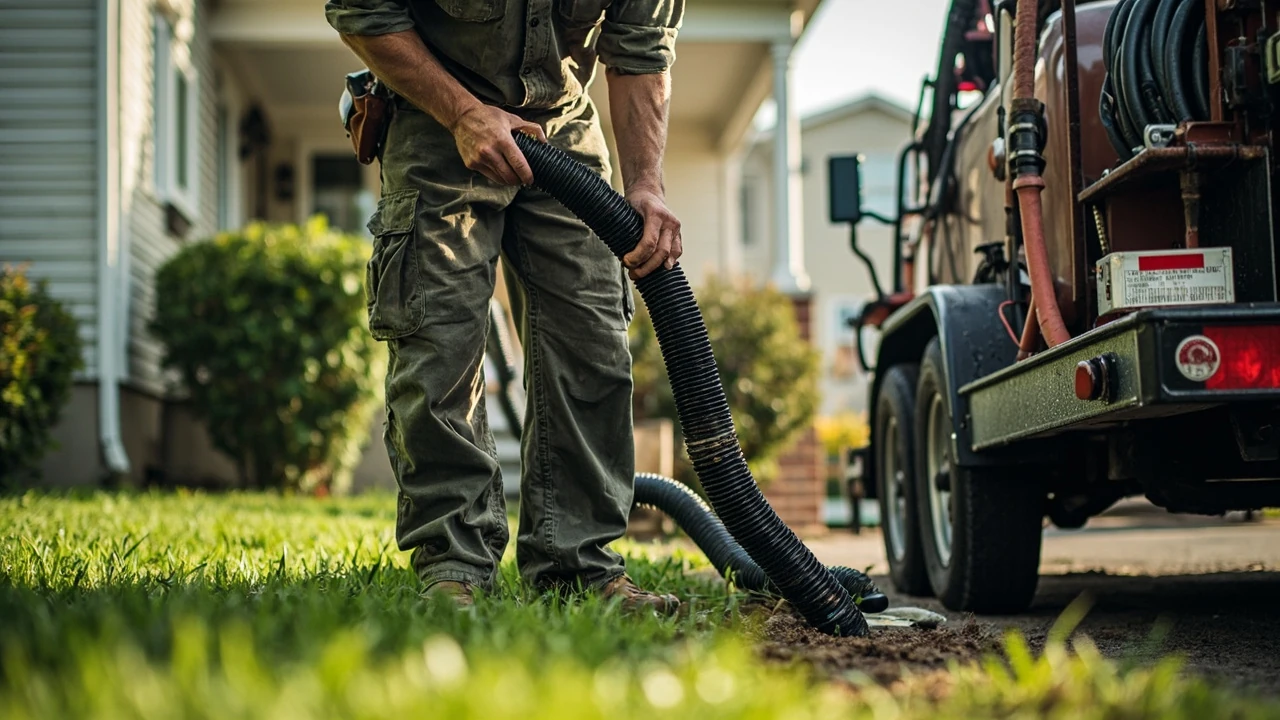
Hydro jetting cost: what homeowners actually pay in 2026
A kitchen sink that backs up twice in three months, a main line that gurgles every time the washing machine drains, or a basement floor drain that smells like old grease — these are the everyday situations that send homeowners searching for hydro jetting cost. The number that comes back from a quick search usually looks simple, but the bill on the day of service rarely matches the headline figure.
Hydro jetting is one of the most thorough ways to clear a residential sewer or drain line, and the price reflects both the equipment involved and the skill required to run it without damaging older pipes. This guide walks through the realistic cost drivers, what a normal service visit includes, when hydro jetting is the right call, and when a cheaper alternative will do the job. It also covers the questions worth asking any contractor before signing a work order.
What hydro jetting actually is
Hydro jetting is a drain and sewer cleaning method that uses a specialized nozzle attached to a high-pressure hose. Water is pushed through the hose at pressures that typically range from about 1,500 to 4,000 psi for residential work, although commercial rigs can go much higher. The nozzle pulls itself into the pipe as it sprays, scouring the interior walls and flushing the loosened material downstream toward the municipal sewer or septic tank.
Unlike a mechanical auger, sometimes called a drain snake, which punctures a path through a clog, hydro jetting cleans the full inside diameter of the pipe. Grease, soap residue, scale, small tree roots, and other buildup get washed away instead of just being pushed aside. That difference is the main reason plumbers recommend jetting for chronic slow lines rather than for a single one-time blockage.
Typical hydro jetting cost in 2026
Most homeowners will see a residential hydro jetting bill somewhere between $350 and $900 for a straightforward single-line job. Larger projects, multi-line cleanings, or work on a deteriorated main line can push the total into the $1,000 to $2,500 range. A national industry overview from Cooper’s Heating and Air puts the typical homeowner range from about $500 to $3,000 once you factor in the harder cases, and that range is consistent with what most licensed plumbers in the United States quote today.
The wide spread is not a sign that contractors are guessing. It reflects real differences in pipe length, pipe material, the severity of the blockage, and how easy the cleanout is to reach. A 50-foot kitchen line cleared through an accessible basement cleanout in a newer subdivision is a very different job from a 150-foot main line under a mature tree with root intrusion, even though both end up on a quote with the same service name.
What a normal hydro jetting service visit includes
- An initial camera inspection, or at least a diagnostic check, to confirm the line is a good candidate for jetting
- Setup of the jetter at the nearest cleanout, often through a basement floor drain, exterior cleanout, or pulled toilet
- One or more passes of the high-pressure nozzle through the affected line
- A follow-up camera inspection on jobs where the cause of the clog is unclear
- Cleanup of the work area and a brief report on what was found inside the pipe
The camera inspection is worth calling out separately. A reputable contractor will not jet a line blindly if they have not looked inside it. Older clay tile, Orangeburg, or badly corroded cast iron can be damaged by high-pressure water, and jetting those lines without confirmation often turns a service call into a replacement project.
The factors that actually drive hydro jetting cost
Two houses on the same street can receive quotes that differ by hundreds of dollars for what looks like the same job. The reason usually comes down to a handful of variables that contractors weigh on site.
Pipe size, length, and material
Residential drain lines are typically 1.5 to 4 inches in diameter. Larger lines hold more debris and need more water and more time to clean properly. Longer lines also mean more hose, more setup, and more passes. Pipe material matters because it sets the safe pressure ceiling. Old cast iron and clay can usually be jetted at moderate pressure, while newer PVC can take the full residential range without issue.
Severity and type of blockage
A soft blockage of grease and soap residue near a cleanout is a quick job. A line packed with years of scale, a root mass that has grown into the joint, or a foreign object stuck in a bend can take several passes, specialty nozzles, and a lot more time. The harder the obstruction, the more the hydro jetting cost rises.
Accessibility of the cleanout
If there is a usable exterior cleanout at grade, the technician can set up in minutes. If the cleanout is buried, behind a finished wall, or only reachable by pulling a toilet, setup time goes up and so does the labor portion of the bill.
Geographic location
Labor rates, fuel costs, and local market competition vary widely. Coastal metros and high-cost-of-living areas tend to sit at the upper end of national ranges, while smaller cities and rural counties often come in lower. Permit requirements, where they apply, also feed into regional pricing.
Time of day and urgency
After-hours, weekend, and emergency calls usually carry a premium. A backed-up main line on a Sunday morning will cost more than the same jetting scheduled for a Tuesday afternoon. The premium covers the on-call rate rather than the actual cleaning work.
Camera inspection and reporting
Some contractors include a basic camera pass in their jetting price. Others charge separately, especially if a recorded video and a written report are needed for a real estate transaction, an insurance claim, or a warranty dispute. The For additional context, standalone cost for a residential camera inspection is often in the $150 to $400 range.
Hydro jetting cost compared to other drain cleaning methods
Hydro jetting is rarely the cheapest option on the menu. It sits between a simple mechanical snaking and a full pipe replacement, both in price and in how aggressive the work is. The table below compares the methods a homeowner is most likely to be offered.
| Method | Typical residential cost | Best for | Limitations |
|---|---|---|---|
| Plunger or hand auger | $0 to $30 (tool cost) | Single fixture, hair or paper clog close to the drain | Does not address buildup further down the line |
| Enzymatic or chemical drain cleaner | $10 to $40 per treatment | Slow maintenance of grease-prone kitchen lines | Slow results, can damage finishes, weak on roots |
| Motorized drain snake (auger) | $150 to $400 | Single hard blockage, tree roots in good pipe, one-time backups | Punches a hole, does not clean the pipe wall |
| Hydro jetting | $350 to $900 typical, up to $2,500+ for complex jobs | Recurring clogs, heavy grease, scale, soft root intrusion, preventive cleaning | Higher upfront cost, not safe for every pipe condition |
| Pipe replacement or relining | $3,000 to $25,000+ | Collapsed pipe, severe root damage, recurring structural failures | Major project, often requires permits and restoration |
For a one-off clog in a single bathroom sink, a snake is almost always enough. For a kitchen line that has been cleared twice in a year, jetting tends to be the better long-term value because it removes the grease that keeps causing the problem. For a main line that has settled or collapsed, neither snaking nor jetting will hold for long, and replacement or relining becomes the only durable answer.
How often hydro jetting makes financial sense
Most homeowners never need to schedule hydro jetting as part of routine maintenance. The cases where it pays for itself usually fit one of three patterns:
- Recurring clogs in the same line within 12 to 24 months, especially in older homes with cast iron stacks
- Slow drains across multiple fixtures at once, suggesting a main line that is narrowing from buildup
- Pre-sale or pre-purchase sewer scope, where the line needs to be cleaned before a recorded inspection will pass
For newer homes with PVC drain lines and no history of backups, paying for preventive jetting every year or two is rarely justified. The line is smooth, the joints are tight, and the most common clogs are local to a fixture.
What a good hydro jetting quote should include
Two quotes for the same job can look very different on paper, which makes it hard to compare them side by side. A clear, complete quote removes most of that confusion. Before agreeing to any work, the written estimate should spell out the following items.
| Line item | Why it matters |
|---|---|
| Diagnostic or camera inspection fee | Some contractors credit this back if you proceed with the jetting |
| Setup and access charges | Covers pulling a toilet, locating a buried cleanout, or building access through drywall |
| Jetting time or line length included | Sets a clear scope so the final bill is predictable |
| Per-foot or per-hour overage rates | Matters on long lines or stubborn blockages that exceed the base scope |
| Specialty nozzles or root-cutting attachments | Sometimes billed separately, especially for heavy root intrusion |
| Final camera pass and recording | Useful for insurance, real estate, or warranty documentation |
| Cleanup, restoration, and warranty terms |
If any of those items are missing, ask. A contractor who cannot or will not put the scope in writing is harder to hold accountable if the final bill runs well past the estimate.
How to keep hydro jetting cost under control
There is no way to make hydro jetting free, but there are several practical steps that bring the bill down or prevent the need for a return visit.
- Ask whether a camera inspection is really needed. If the clog is clearly a one-time issue in a known location, a diagnostic pass before jetting may be optional. If the line has a history of problems, the camera fee is usually worth it.
- Locate or create a usable cleanout before the technician arrives. A buried cleanout, a cleanout behind a finished wall, or a setup that requires pulling a toilet adds labor time and can add several hundred dollars to the bill.
- Get two or three written quotes for any non-emergency work. Prices vary more than most homeowners expect, and a competing quote is the fastest way to find a fair number.
- Bundle related work. If the kitchen line and the laundry line both need attention, having them jetted in the same visit is usually cheaper than two separate appointments.
- Fix the underlying cause. If the line keeps clogging because of a belly in the pipe, a root intrusion, or a grease-rich kitchen habit, jetting alone will not solve it. Address the cause or the same bill will keep showing up.
- Ask about a maintenance plan. Some plumbing companies offer an annual or biennial jetting visit at a reduced rate for long-term customers. The discount is usually modest, but it does lock in a known price.
When hydro jetting is the wrong call
Despite its reputation as a do-everything solution, hydro jetting is not appropriate for every situation. A contractor who agrees to jet any pipe without questions is not doing the homeowner a favor.
- Pipes that are already cracked, collapsed, or heavily offset at a joint can be made worse by high-pressure water. The jet can force debris into the soil and, in the worst case, enlarge a crack.
- Orangeburg pipe, an asphalt-based material used in some homes from the 1940s through the 1970s, is too soft for safe jetting. It usually needs to be replaced rather than cleaned.
- Badly corroded cast iron with visible flaking can be further weakened by aggressive jetting, especially at the joints.
- Single-fixture clogs close to a drain, such as a hair clog in a shower, are usually cheaper and faster to clear with a snake or a hand auger.
- Suspected breaks or sags, where water pools in a low spot, are structural problems that jetting cannot fix. A camera inspection will usually show these before any jetting begins.
For any of these situations, the right next step is a camera inspection and a conversation about repair, replacement, or a less aggressive cleaning method.
Questions to ask before booking hydro jetting
A short list of direct questions will tell a homeowner almost everything they need to know about a contractor in under five minutes. The answers also make the final bill much easier to understand.
- Do you perform a camera inspection before jetting, and is the fee credited back if I proceed?
- What pressure and nozzle do you plan to use, and is my pipe material a good candidate for that pressure?
- Is your quote a flat rate for the line, or do you bill by the hour or by the foot?
- What is the overage rate if the job runs longer than the base scope?
- Are permits, after-hours fees, or trip charges included in this number?
- Do you provide a recorded video of the line after jetting, and is that included?
- What warranty do you offer if the line clogs again within 30, 60, or 90 days?
- Are you licensed, insured, and able to pull a permit if the city or county requires one?
Solid contractors will answer these without hesitation. A contractor who bristles at the questions, or who refuses to put anything in writing, is a signal to keep looking.
A short decision checklist for homeowners
Use the list below as a quick gut check before scheduling any hydro jetting work.
- The clog is in a main line or affects multiple fixtures at once, which suggests a system-wide buildup rather than a local blockage.
- The same line has clogged more than once in the past 12 to 24 months, and snaking has only fixed it temporarily.
- A camera inspection has confirmed that the pipe is in good structural condition and the right material for jetting.
- The cost of jetting is being weighed against the cost of a second or third emergency call, plus the water damage that comes with another backup.
- The contractor has provided a written estimate, a defined scope, and a clear overage policy.
If four out of five of those points are true, hydro jetting is usually the right move. If only one or two apply, a simpler method, a targeted repair, or a more thorough inspection is probably the better use of the budget.
Frequently asked questions
What is the average hydro jetting cost for a single residential line?
For a single residential line in good condition with a usable cleanout, most homeowners pay between $350 and $900. The exact number depends on pipe length, the severity of the blockage, and local labor rates. Jobs that run longer, involve multiple lines, or require specialty nozzles can climb into the $1,500 to $2,500 range.
Is hydro jetting more expensive than snaking a drain?
Yes. A motorized snake for a residential line usually costs $150 to $400, while hydro jetting typically starts around $350 and can run several times higher. The higher price reflects the more thorough cleaning, not just a different tool, and it tends to last longer between service calls.
How long does a hydro jetting service visit take?
A straightforward single-line jetting usually takes one to three hours from setup to cleanup. That includes locating the cleanout, running the jetter through the line, and a final camera pass if one is included. Tougher blockages, buried cleanouts, or work on longer main lines can stretch the visit to half a day.
Can hydro jetting damage old pipes?
It can, which is why a camera inspection before jetting is so important. Old clay tile, badly corroded cast iron, Orangeburg pipe, and any line with an active crack or a serious offset are poor candidates for high-pressure water. A licensed plumber will reduce pressure, switch to a different method, or recommend repair instead if the pipe cannot safely handle jetting.
How often should a home be hydro jetted?
There is no universal schedule. Most homes never need preventive jetting. Homes with cast iron stacks, mature trees near the sewer line, or a history of grease-related clogs may benefit from jetting every two to five years, based on what the camera shows. A plumber who has inspected the line can recommend a sensible interval.
Do plumbers warranty hydro jetting work?
Many do, although the terms vary. A common pattern is a 30 to 90 day warranty on the cleared line, with the warranty voided if the homeowner uses chemical drain cleaners or ignores a recommended repair. The warranty usually covers the same line clogging again within that window, not unrelated issues elsewhere in the system.
Is hydro jetting safe for a septic system?
Yes, with two caveats. The jetting should be done from the house side of the septic tank rather than the tank side, and the contractor should avoid pushing debris into the tank. A short conversation with the technician about which direction the water is flowing will protect the tank and the drain field downstream.
What is the difference between hydro jetting and a sewer camera inspection?
A sewer camera inspection is diagnostic. It sends a camera through the line to record the pipe’s condition and pinpoint the cause of a problem. Hydro jetting is a cleaning method. Many contractors combine the two: a camera inspection first, then jetting, then a second camera pass to confirm the line is clear and to document the result for the homeowner.
Can hydro jetting remove tree roots?
Hydro jetting can remove soft, fine root intrusion, especially in clay tile lines where the roots are still thin. Heavy root masses, where the roots have grown thick and matted inside a joint, usually require a cutting attachment or a more aggressive mechanical tool first, with jetting used to flush the debris afterward.
Will homeowner’s insurance cover hydro jetting cost?
Standard homeowner’s policies treat hydro jetting as preventive maintenance and do not cover it. Coverage is more likely when a sudden, accidental event, such as a sewer backup that damages the home, is the reason for the call. Reading the sewer and drain section of the policy, or calling the insurer, will clarify what is and is not covered for a specific situation.
Hydro jetting is a useful tool when the pipe is the right candidate and the clog fits the method. The cost is real, but for chronic drain problems it often pays for itself by preventing the next emergency visit and the water damage that comes with it. The best results come from pairing a clear, written scope with a contractor who is willing to show, on camera, what was inside the line before and after the work.



Leave a Reply