
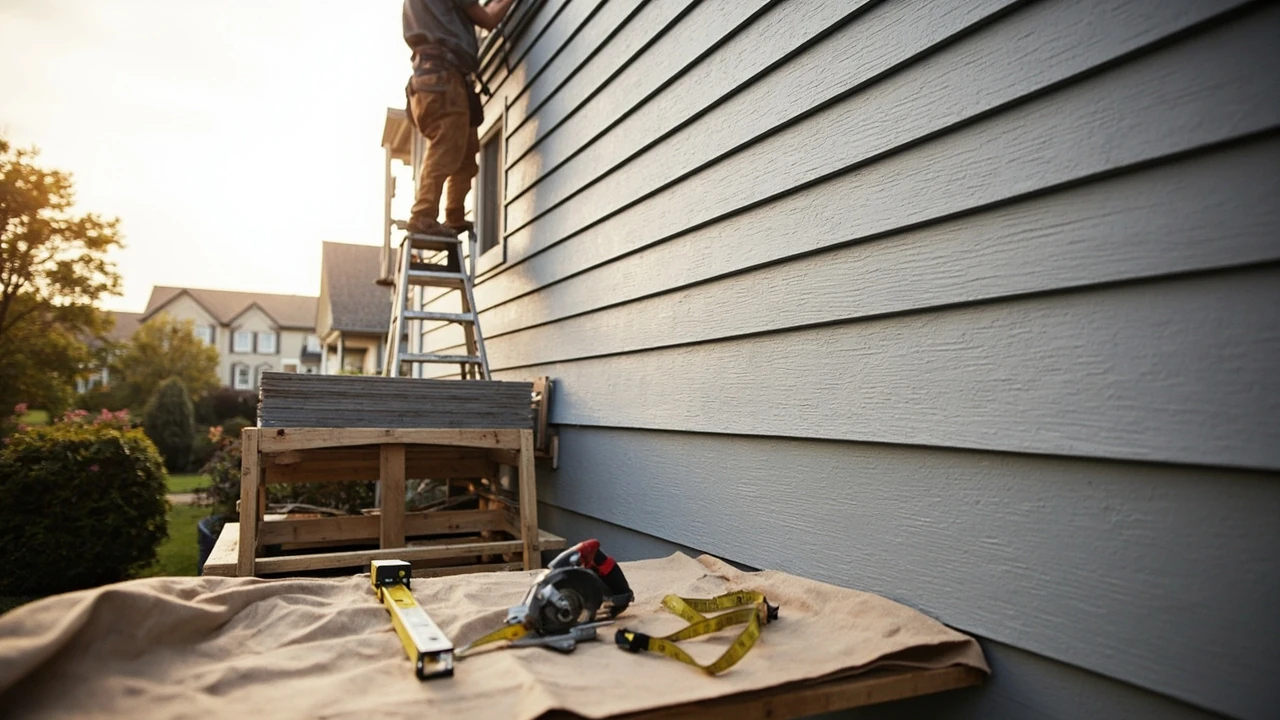
Siding services: a practical guide for homeowners
Storms blow through and leave a five-foot crack along the south wall. The color on the north side has faded so badly that the trim looks newer than the walls. A neighbor down the street just had new panels installed, and now the whole block looks dated. These are the moments when homeowners start searching for siding services, and they are the same moments when rushed decisions tend to cost the most.
Siding is one of the few parts of a home that has to perform several jobs at once. It sheds rain, blocks wind, resists UV damage, insulates against heat and cold, and carries most of the visual weight of the exterior. When it works, nobody thinks about it. When it fails, the problems spread quickly into sheathing, framing, and interior finishes. Understanding what professional siding services actually cover, what they cost, and how to evaluate a contractor is the difference between a smart upgrade and a multi-year headache.
This guide walks through the work a siding contractor typically handles, the materials most homeowners choose from, the warning signs that point toward repair instead of full replacement, and the practical steps for hiring a crew that will stand behind the job. It also covers how regional climate shapes material choice, what to expect during installation, and how to read an estimate so nothing important is hidden in the fine print.
What siding services actually include
The phrase “siding services” is broad, and the scope of work varies from one contractor to the next. A clear definition helps when comparing bids. Most professional siding companies break their work into four overlapping categories: installation, repair, replacement, and maintenance. Some firms also handle adjacent exterior work such as soffit, fascia, and trim, which makes sense because those components share the same exposure to weather.
Installation covers new construction and full re-siding projects where the existing cladding is removed down to the sheathing. Repair focuses on localized damage, such as cracked panels, loose corners, or small sections of water intrusion. Replacement is the gray area between the two: a portion of the wall is removed and rebuilt, often because the existing system has failed across a wider area than a single repair can address. Maintenance includes cleaning, caulking, repainting, and sealing work that extends the life of the existing cladding.
A good contractor will explain which category your home actually falls into after an on-site inspection. A surface-level estimate over the phone is rarely reliable, because the visible condition of siding rarely tells the full story. Moisture behind the panels, fastener corrosion, and sheathing rot are common hidden problems that change the scope of the work significantly.
Common siding materials and how they compare
Material choice drives both upfront cost and long-term performance. Each option has tradeoffs in durability, maintenance, appearance, and climate suitability. The table below summarizes the materials most U.S. homeowners encounter when requesting siding services.
| Material | Typical lifespan | Maintenance level | Climate strengths | Common concerns |
|---|---|---|---|---|
| Vinyl | 20-40 years | Low | Moisture resistance, affordability | Fading, cracking in extreme cold, limited repairability |
| Fiber cement | 30-50 years | Low to moderate | Wind, fire, and UV resistance | Heavier, requires precise cutting and sealing |
| Engineered wood | 20-30 years | Moderate | Wood look with better rot resistance | Edge swelling if not properly sealed |
| Natural wood (cedar, pine) | 20-40 years with care | High | Aesthetic warmth, repairable | Rot, insects, frequent repainting or staining |
| Aluminum | 30-50 years | Low | Coastal corrosion resistance, fire safety | Denting, fading, chalky surface over time |
| Insulated vinyl | 25-40 years | Low | Energy efficiency, sound dampening | Higher upfront cost than standard vinyl |
The best material for a specific home depends on the local climate, the homeowner’s tolerance for upkeep, and budget. A coastal property exposed to salt air behaves very differently from a shaded suburban home in a temperate climate, and the contractor’s recommendation should reflect that.
Signs your home needs repair instead of full replacement
Not every siding problem calls for a complete re-siding project. Many early-stage issues can be addressed with targeted repair work that costs a fraction of full replacement. The list below covers the warning signs most contractors look for during an inspection:
- Cracks, warping, or buckling on isolated panels, often caused by impact, age, or improper fastening
- Mold, mildew, or dark staining that signals trapped moisture behind the cladding
- Peeling paint or unusual fading, which can indicate coating failure or moisture intrusion
- Loose or sagging sections, especially after high winds or storms
- Gaps and holes where fasteners have pulled out or where caulking has failed
- Unexplained energy bill increases that may point to insulation breakdown behind the siding
When these issues appear in one or two small areas, repair is often the right call. When they appear across multiple walls, on different elevations, or alongside soft sheathing and interior staining, replacement is usually the more economical long-term answer. A reputable contractor will explain the reasoning behind the recommendation rather than pushing a particular outcome.
When full siding replacement makes sense
Full replacement is a significant project, and it earns its cost when the existing cladding has reached the end of its useful life or when damage is too widespread to patch. The following situations typically point toward replacement rather than repair:
- The siding is past 70 percent of its expected lifespan and showing multiple failure modes
- Storm damage has affected a large portion of the exterior, including underlying sheathing
- Moisture intrusion has caused rot, mold, or insulation damage inside the wall cavity
- Energy bills have risen sharply and air leakage testing points to the siding as a major contributor
- The homeowner is undertaking a broader exterior remodel that includes new windows, trim, or insulation
Replacement also offers a chance to upgrade the wall system as a whole, not just the visible cladding. Adding a modern weather-resistive barrier, rigid foam insulation, or a rainscreen gap behind the new siding can deliver measurable energy savings and protect the structure far longer than the original build.
How siding services are priced
Costs vary widely by region, material, and scope, but the components of a typical estimate are consistent. Understanding each line item makes it easier to compare bids on equal terms. The table below breaks down the major cost drivers:
| Cost component | What it covers | Why it matters |
|---|---|---|
| Material | Panels, trim, fasteners, accessories | Quality and warranty vary sharply by brand and product line |
| Labor | Removal, preparation, installation, cleanup | Skilled labor is the single largest cost in most projects |
| Disposal | Tear-off and haul-away of old siding | Confirm the estimate includes this, since dumpster fees add up |
| Substrate repair | Sheathing, house wrap, flashing replacement | Often the most variable line item once walls are opened |
| Permits | Local building permits and inspection fees | Skipping permits creates problems at resale and with insurance |
| Trim and accessories | Soffit, fascia, corner posts, mounting blocks | These are often priced separately and add 10-20 percent to the total |
Homeowners should be cautious about estimates that look significantly lower than competing bids. Low numbers often mean thin material specs, uninsured labor, or a plan to skip substrate repairs that should happen while the walls are open. A detailed written estimate that names brands, thicknesses, and warranty terms is worth more than a low number with vague language.
What to expect during installation
A For additional context, typical re-siding project follows a predictable sequence, even when surprises come up once the old cladding is removed. Most single-family homes take between a few days and two weeks, depending on size, material, and weather. The steps usually unfold in this order:
- Permitting and material delivery, scheduled to align with the work start date
- Removal of the existing siding down to the sheathing, with disposal handled on site
- Inspection and repair of the substrate, including any rotted sheathing, damaged flashing, or failed house wrap
- Installation of a new weather-resistive barrier, flashing around windows and penetrations, and any added insulation
- Installation of the new siding, beginning at the bottom and working upward with proper overlap and fastening pattern
- Trim, soffit, fascia, and accessory work, followed by caulking and final detailing
- Cleanup, walkthrough, and any required municipal inspection
Homeowners can make this process smoother by clearing the perimeter of the house, moving patio furniture and grills away from the walls, and keeping pets and children indoors during the active workdays. Daily communication with the project lead is the single best way to avoid surprises.
Climate, code, and the case for local experience
Siding performance depends heavily on the environment it faces. Coastal homes deal with salt air, high humidity, and hurricane-season winds. Homes in the upper Midwest face freeze-thaw cycles that split and buckle panels. Desert climates challenge fade resistance and joint seals. A contractor who works in the same region every week understands these patterns and steers homeowners toward the products and details that hold up locally.
Local building codes also shape what is allowed. Hurricane-prone regions often require impact-resistant products, specific fastening schedules, and enhanced flashing details. Cold-climate codes may require continuous insulation or specific vapor control strategies. Reputable siding contractors pull permits, follow the local code book, and schedule the required inspections without being asked.
Homeowners benefit from asking contractors about their experience with the specific climate zone and any recent code changes. A crew that has worked through two or three storm seasons in the same area has practical knowledge that no product brochure can match.
How to evaluate a siding contractor
Picking the right contractor is more important than picking the right material, because even premium products fail when installed carelessly. A few practical checks help separate solid firms from risky ones:
- Verify the business is licensed and insured in your state, and ask for certificates of insurance directly from the carrier
- Ask for a list of recent local projects you can drive by, and look closely at the corners, joints, and trim work
- Request at least three references from the last six to twelve months and actually call them
- Read the warranty terms in writing, including both the manufacturer material warranty and the contractor’s workmanship warranty
- Confirm the crew that will do the work is employed or regularly used by the contractor, not random subcontractor labor hired for a single job
- Check complaint history with the state contractor licensing board and the local Better Business Bureau
Trustworthy contractors welcome these questions. Contractors who bristle at paperwork, refuse to share insurance details, or push for a signed contract before an on-site visit are signaling risk.
Questions to ask during the estimate visit
An in-home estimate is the homeowner’s best chance to learn how the contractor thinks. The answers reveal as much as the price. Useful questions include:
- What substrate repairs do you anticipate, and how are they priced if the walls are worse than expected?
- Which house wrap and flashing products will be used, and are they compatible with the chosen siding?
- What is the fastening pattern, and how is it adjusted for the local wind zone?
- How is daily cleanup handled, and will the property be left weather-tight at the end of each day?
- What is the payment schedule, and how much is due before work begins?
- How are change orders handled if the scope grows once the old siding is off?
A clear, confident answer to each of these questions is a strong signal. Vague answers or pressure to skip details are reasons to keep looking.
Energy efficiency and insulation upgrades
New siding is one of the few times the wall system is fully opened up, which makes it the right moment to address insulation gaps. Continuous rigid foam, insulated sheathing, and rainscreen assemblies can all be added during a re-siding project at a fraction of the cost they would require as a standalone retrofit.
For homes with high cooling or heating bills, the siding project can deliver real returns by tightening the building envelope. Insulated vinyl siding, for example, adds an integrated foam backing that increases the wall’s R-value and reduces thermal bridging through the studs. Combined with proper house wrap and sealed penetrations, the upgrade can noticeably improve comfort and reduce HVAC runtime.
Some utility programs and insurance carriers offer rebates or credits for energy-efficient exterior upgrades. Homeowners should ask their contractor and their utility about current local incentives before finalizing material choices, since qualifying products can change from year to year.
Common mistakes to avoid
Even careful homeowners make missteps on siding projects. A short list of the most common pitfalls:
- Choosing the lowest bid without checking material specifications and warranty terms
- Skipping substrate repair to save money, only to face rot and mold within a few years
- Failing to verify insurance and licensing, which can leave the homeowner liable for on-site injuries
- Allowing the project to proceed without a written change-order process, leading to disputes mid-project
- Ignoring ventilation details behind the siding, which traps moisture and shortens the life of the wall system
Each of these mistakes is preventable with a bit of preparation. The cost of careful selection is small compared to the cost of fixing a failed siding system in five to ten years.
Maintenance after installation
Even the most durable siding needs occasional attention. A simple annual routine extends the life of the cladding and catches small problems before they grow. Most contractors recommend a yearly walkaround and cleaning, with closer inspections after major storms. The list below covers the basic maintenance most siding systems benefit from:
- Annual washing with a soft brush and a mild detergent to remove dirt, mildew, and airborne contaminants
- Visual inspection of caulking around windows, doors, and penetrations, with reapplication where seals have failed
- Checking for loose or missing panels, especially after high-wind events
- Trimming back vegetation that sits against the siding and traps moisture
- Keeping gutters clean so water does not overflow behind the siding or against the foundation
For wood and engineered wood products, repainting or restaining on the manufacturer’s schedule is essential. Vinyl and fiber cement generally do not need repainting, but they still benefit from the same inspections.
Frequently asked questions
How long do most siding projects take from start to finish?
For a typical single-family home, professional siding services take anywhere from a few days to two weeks. The exact timeline depends on the home’s size, the material being installed, weather delays, and the amount of substrate repair that surfaces once the old cladding is removed. Permitting can add days or weeks before work begins, especially in regions with active storm seasons.
What is the difference between siding repair and full replacement?
Repair addresses localized damage on otherwise sound siding, such as a cracked panel, a small section of wind damage, or failed caulking. Replacement removes the existing siding across one or more walls and installs a new system, usually when the existing material has reached the end of its useful life or when damage is too widespread to patch economically.
Can new siding be installed over old siding?
In some cases, a layer of new siding can be installed over a single existing layer if the old cladding is flat, structurally sound, and free of moisture problems. However, most siding contractors recommend full tear-off because it allows the substrate to be inspected and repaired, and it avoids trapping old material against the wall. Building codes in some jurisdictions also restrict overlay installations.
Which siding material is best for hurricane-prone areas?
Fiber cement, engineered wood, and certain insulated vinyl products rated for high-wind zones are common choices in hurricane-prone regions. The key is not just the material but the fastening pattern, the use of proper flashing, and compliance with local wind-zone codes. A contractor experienced in coastal work will know which products have performed well locally.
How do I know if moisture is trapped behind my siding?
Signs of trapped moisture include mold or mildew stains on interior walls, soft spots when pressing on the siding, musty odors, peeling interior paint near exterior walls, and unexplained increases in heating or cooling costs. A contractor can use a moisture meter to confirm whether the wall cavity is wet without removing the siding.
Are insulated siding panels worth the higher cost?
Insulated siding adds a continuous foam backing that increases the wall’s R-value, reduces thermal bridging, and can dampen outside noise. For homes with high energy bills or thin existing wall insulation, the upgrade often pays back through lower utility costs and improved comfort. The decision depends on local energy prices and how long the homeowner plans to stay in the home.
What should a siding estimate include in writing?
A reliable estimate names the material brand, product line, color, and thickness. It lists the scope of tear-off, substrate repair, house wrap, flashing, trim work, and cleanup. It identifies permit responsibility, the payment schedule, the project start and completion window, and the warranty terms for both materials and labor. Anything missing from this list is a candidate for surprise change orders later.
Do siding projects require permits?
In most jurisdictions, full re-siding and any structural repair behind the siding require permits, while small repairs often do not. Contractors familiar with local building departments will pull the right permits and schedule required inspections. Homeowners should confirm permits are part of the contract rather than something they need to handle themselves.
How does siding affect home resale value?
Fresh, well-installed siding is one of the exterior improvements that consistently shows a strong return at resale, because it directly affects curb appeal and reduces the buyer’s expected near-term maintenance. The exact return depends on the local market, the material chosen, and the condition of competing homes for sale.
What is the best time of year to schedule siding work?
Spring through early fall is the busiest season for most siding contractors, and schedules fill quickly after storm events. Mild, dry weather is ideal because some materials cannot be installed in extreme cold or wet conditions. Planning several months ahead helps secure a slot with the contractor of choice rather than settling for whoever is available.
Before signing a contract, request a written scope of work, confirm licensing and insurance, and ask the contractor to walk through the substrate repair process in detail. A clear agreement at the start is the strongest predictor of a siding project that looks good, performs well, and lasts for decades.




Leave a Reply