
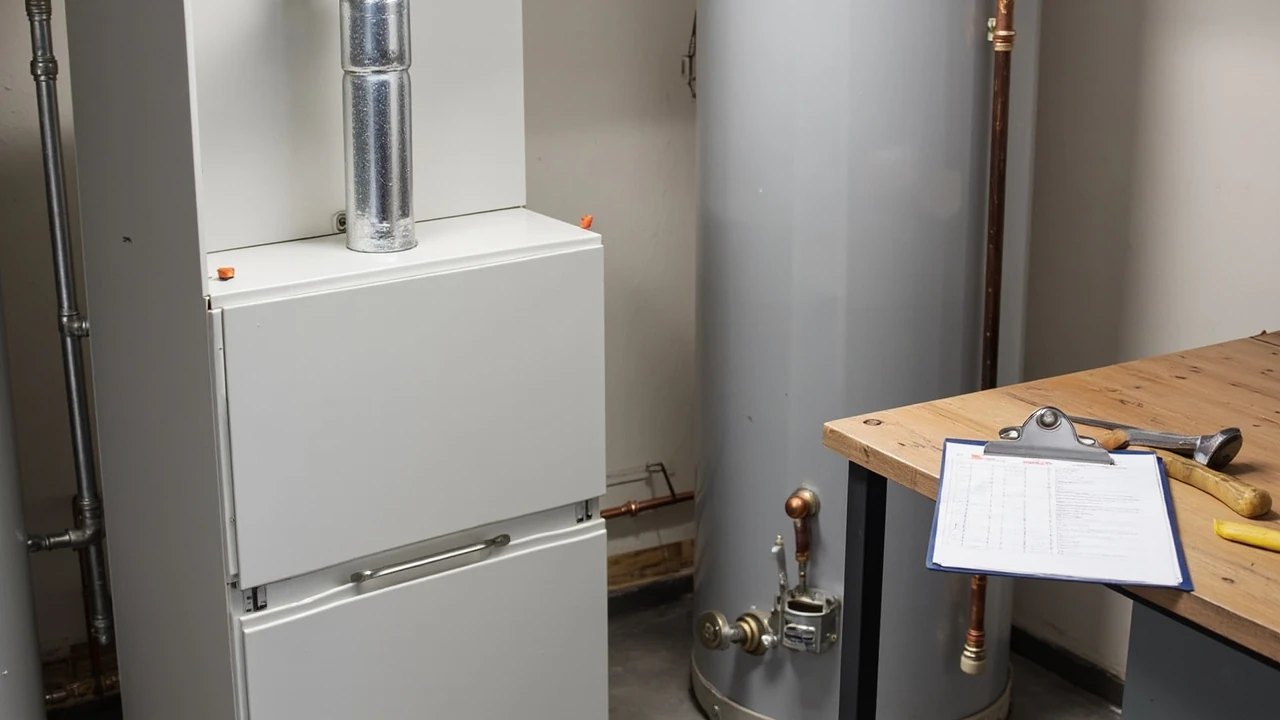
How much does a furnace cost in 2026
A new furnace for a typical U.S. home runs between roughly $3,800 and $10,000 in 2026, with most homeowners landing near $7,000 once installation is included. That is the headline number, but the price that actually shows up on your quote depends heavily on fuel type, home size, efficiency rating, and the condition of your existing ductwork and gas line. Two neighbors with the same square footage can easily see quotes that differ by $3,000 or more for reasons that have nothing to do with the brand on the cabinet.
Replacing a furnace is not a purchase most people look forward to. It usually arrives after a few winters of rising repair bills, a cold snap that exposed an aging heat exchanger, or a utility audit that flagged efficiency losses. The good news is that the market has matured: there are clear product tiers, financing is widely available, and a careful comparison can save you thousands without sacrificing comfort.
This guide breaks down the real numbers behind the question how much does a furnace cost, then walks through the decisions that move that number up or down. You will see what fuel type, AFUE efficiency, and home size do to the bottom line, what installation usually adds on top, and which upgrades are worth paying for versus which ones quietly inflate the bill.
Average furnace cost at a glance
Before we dig into the moving parts, it helps to anchor the range. The table below shows what most U.S. homeowners actually pay for a complete furnace replacement, including the unit, labor, and standard installation materials.
| Project scope | Typical price range | What’s included |
|---|---|---|
| Budget gas furnace (standard efficiency) | $3,800 – $5,500 | 80% AFUE unit, basic installation, existing ductwork in good condition |
| Mid-range gas furnace (most common) | $5,500 – $8,500 | 90–96% AFUE unit, new thermostat, code-compliant venting |
| High-efficiency gas furnace (condensing) | $8,500 – $12,000 | 97%+ AFUE variable-speed unit, PVC venting, possible electrical upgrades |
| Electric furnace | $2,500 – $6,000 | Unit plus simpler installation where ductwork exists |
| Oil-to-gas or fuel-type conversion | $7,500 – $14,000+ | New gas line, tank removal, additional venting and code work |
These figures align with national averages for a 1,600 to 2,000-square-foot home. A small condo or a large two-story house will land outside this band, and so will regions with unusual labor costs or strict code requirements.
What actually drives furnace cost
Every quote you collect is built from the same handful of variables. Understanding them is the difference between accepting the first number you are given and negotiating a smarter one.
Fuel type
Fuel is the single biggest factor. Natural gas is the most common choice in much of the U.S. because gas furnaces heat quickly and operating costs per BTU are typically lower than electricity. Propane furnaces cost more up front because the burners and fuel delivery components are pricier, and oil furnaces sit at the top of the equipment list for a similar reason. Electric furnaces have the lowest equipment cost but the highest operating cost in cold climates, which is why they appear in regions with mild winters or cheap electricity.
Home size and heating load
Contractors size a furnace by BTU output, not by square footage alone. A 1,200-square-foot well-insulated home in Georgia needs a far smaller unit than a 2,400-square-foot drafty colonial in Michigan. Oversizing is a common and expensive mistake: a furnace that cycles on and off too quickly wears out faster, runs less efficiently, and struggles to control humidity. A proper Manual J load calculation is worth asking for, even if it adds a small fee to the estimate.
AFUE efficiency rating
AFUE stands for Annual Fuel Utilization Efficiency, the percentage of fuel that becomes usable heat. An 80% AFUE furnace wastes 20 cents of every fuel dollar up the flue. A 96% AFUE condensing furnace pulls most of that lost heat back from the exhaust, which is why the equipment costs more. Over 15 to 20 years of use, the efficiency gap often pays for the upgrade, but only if your home holds heat well and you stay in the house long enough to recoup it.
Installation complexity
The unit itself is usually 40% to 55% of the total bill. The rest covers labor, permits, venting, electrical work, a new thermostat, condensate management for high-efficiency units, and old equipment removal. Crawl spaces, tight attic installations, and switchovers from oil to gas can add $1,500 to $4,000 on top of an already standard replacement.
Furnace cost by fuel type
The table below compares the four main fuel options a homeowner is likely to consider. Prices reflect installed systems for a typical single-family home in a region where each fuel is practical.
| Fuel type | Installed cost range | Average lifespan | Best fit |
|---|---|---|---|
| Natural gas | $4,500 – $10,000 | 15 – 20 years | Homes with existing gas service in cold or mixed climates |
| Propane | $5,500 – $11,000 | 15 – 20 years | Rural homes without natural gas lines |
| Electric | $2,500 – $6,000 | 20 – 30 years | Mild climates or homes with low off-peak electric rates |
| Oil | $6,000 – $12,000 | 15 – 20 years | Northeast homes already set up for oil delivery |
Switching fuel types is sometimes the right move, especially if oil prices have made heating painful or if natural gas has just been run to your street. A professional furnace installation team can walk you through the conversion cost versus the projected fuel savings, which is the only honest way to decide whether a fuel switch pays off.
Furnace cost by home size
Sizing matters as much as fuel. A unit that is too small runs constantly and never quite reaches setpoint on the coldest nights. A For additional context, unit that is too large short-cycles, wastes energy, and creates drafty temperature swings. The chart below shows common sizing tiers and the rough price band each one falls into for a mid-range 96% AFUE gas furnace.
| Home size (square feet) | Typical BTU output | Installed cost band |
|---|---|---|
| Up to 1,200 | 40,000 – 60,000 | $3,800 – $6,000 |
| 1,200 – 1,800 | 60,000 – 80,000 | $4,500 – $7,500 |
| 1,800 – 2,500 | 80,000 – 100,000 | $5,500 – $9,000 |
| 2,500 – 3,500 | 100,000 – 120,000 | $7,500 – $11,000 |
| 3,500+ | 120,000+ | $9,500 – $14,000+ |
These ranges assume standard installation conditions. Vaulted ceilings, lots of single-pane glass, or homes with significant additions can push a house into a higher tier even if the floor plan looks modest.
Furnace cost by efficiency tier
Efficiency is where marketing gets loud, so it is worth slowing down. The tier you choose should be driven by climate, fuel prices in your area, and how long you expect to stay in the home. The table below uses AFUE bands that are common in the current market.
| AFUE rating | Efficiency tier | Equipment cost premium | Long-term payoff |
|---|---|---|---|
| 80% | Standard | Baseline | Lowest upfront cost; higher lifetime fuel use |
| 90 – 95% | Mid-efficiency | +$800 – $1,800 | Solid balance for most homeowners |
| 96 – 97% | High-efficiency | +$1,800 – $3,500 | Best for cold climates and long-term owners |
| 98%+ | Premium / modulating | +$3,500 – $5,500 | Justified mainly in very cold regions with expensive fuel |
According to Synchrony’s overview of furnace replacement cost, high-efficiency models can reach up to about $12,000 once installation, code upgrades, and venting changes are included. That is a meaningful premium, so it is worth running a simple payback calculation before you commit.
Hidden costs that change the bottom line
The number on the proposal is rarely the final number. Several line items sit just outside the equipment quote, and a few of them only show up once the old unit is out and the new one is being set. Plan for these before you sign.
- Permits and inspections. Most jurisdictions require a mechanical permit for a furnace replacement. Expect $75 to $400 depending on the city.
- New venting. High-efficiency condensing furnaces vent through PVC instead of metal flue, but routing it through a tight attic or finished ceiling can add several hundred dollars in labor.
- Electrical upgrades. Variable-speed blowers and ECM motors need proper circuit capacity. Panel upgrades are rare but real.
- Thermostat replacement. A basic programmable thermostat is often included. A smart thermostat adds $150 to $300 but unlocks zoning and runtime data.
- Ductwork modifications. Leaky or undersized ducts can quietly cost you more than the furnace itself. Sealing and minor resizing typically runs $500 to $2,000.
- Old equipment removal. Hauling away a heavy cast iron unit is sometimes included, sometimes billed as a line item.
- Condensate management. High-efficiency units produce acidic water that needs a drain or pump. Adding a condensate line is usually small, but rerouting one across a finished basement is not.
Asking each contractor to itemize these items separately makes it much easier to compare two quotes that look similar on the surface.
Repair versus replace: when the math actually works
The hardest decision is not which furnace to buy, it is whether to buy one at all. A good rule of thumb is the 5,000 rule: multiply the age of your current furnace by the estimated repair cost. If the result is more than $5,000, replacement usually wins. A 15-year-old furnace with a $700 repair scores 10,500, which points firmly toward a new unit. A 6-year-old furnace with the same $700 repair scores 4,200, which usually justifies the fix.
Other signals that replacement makes sense:
- The heat exchanger is cracked. Most manufacturers will not warranty a failed heat exchanger, and a cracked exchanger is also a carbon monoxide concern.
- Repair bills are arriving more than once a year, especially for the blower motor or ignition system.
- Utility bills have crept up without a weather change, suggesting steady efficiency loss.
- Rooms are heating unevenly, or the system runs for long stretches without reaching setpoint.
- Parts for your model are becoming scarce, which is common once a furnace line has been discontinued.
Our guide to furnace replacement timing walks through the diagnostic side of this in more detail, including which failures are worth a repair and which ones are a sign to start planning the swap.
Ways to lower the total without regretting it later
A furnace is a long-lived purchase, so the cheapest quote is not always the smartest one. The goal is to keep the total reasonable without cutting corners that hurt comfort, safety, or resale value.
- Get at least three written quotes from licensed contractors who perform a Manual J load calculation rather than just matching the old unit’s BTU rating.
- Time the purchase. Late spring and early fall are slow seasons for HVAC installers, and rebates tend to be richer before the winter rush.
- Ask about utility and federal rebates. Many programs offer several hundred dollars for switching to a high-efficiency unit, and federal energy credits sometimes apply.
- Keep the brand and tier consistent with your ductwork. A premium furnace attached to leaky ducts is a waste of money. Seal the ducts first.
- Use financing carefully. A 0% promotional plan for 12 to 18 months is useful, but long-term financing at high rates can erase any efficiency savings.
- Bundle related work. Replacing a thermostat, air handler, or whole-home humidifier at the same time usually saves on labor.
Common mistakes that inflate the bill
Even careful homeowners make the same handful of errors during a furnace replacement. Spotting them ahead of time keeps the project on budget.
- Buying the furnace first. Pricing the equipment before a load calculation leads to oversizing and a wasted budget.
- Choosing AFUE by brand reputation alone. Two furnaces from well-known makers can have very different efficiency ratings for the same money.
- Skipping permits. Unpermitted work can void warranties, complicate home sales, and create safety issues.
- Ignoring indoor air quality add-ons. A new furnace is a good time to add a media filter, humidifier, or UV light, but only if your ducts and budget actually need them.
- Forgetting about noise. Variable-speed units run quieter, but cheap installations with poorly supported cabinets can rattle.
- Underestimating timeline. Stock models install in a day, but custom orders and conversions can take two to three weeks from sign-off to startup.
How long until a new furnace pays for itself
Payback depends on three numbers: the price difference between your current furnace and the new one, the fuel savings, and the maintenance difference. A simple example: a $1,500 upgrade from 80% to 96% AFUE on a home that spends $1,400 a year on heating saves roughly 17% of fuel use, or about $240 a year. That puts payback at just over six years, before counting any rebates. In a colder climate with higher fuel costs, payback can drop below four years. In a mild climate with cheap gas, the same upgrade may never fully pay back in cash, though comfort and resale value still improve.
A furnace typically lasts 15 to 20 years with proper maintenance, so the right comparison is the total cost of ownership over that window, not the cheapest sticker price today.
Frequently asked questions
What is the average cost of a new furnace in 2026?
For a typical 1,600 to 2,000-square-foot U.S. home, expect to pay about $7,000 installed for a mid-range gas furnace, with most projects falling between $3,800 and $10,000. High-efficiency or specialty installations can reach $12,000 or more.
How much does a furnace cost for a 1,500-square-foot home?
A standard-efficiency gas furnace for that size usually lands between $4,500 and $7,500 installed. A high-efficiency 96% AFUE unit in the same home typically runs $6,500 to $9,500 once venting and electrical work are included.
How much does an electric furnace cost?
Electric furnaces are the least expensive to install, often between $2,500 and $6,000. The trade-off is higher operating cost in cold climates, so the long-term total can exceed a gas system even with the lower upfront price.
How long does a furnace usually last?
Most gas and oil furnaces last 15 to 20 years with regular service. Electric furnaces often run 20 to 30 years because they have fewer moving parts, though the heating elements can still wear out.
Is a high-efficiency furnace worth the extra cost?
In cold climates or for homeowners who plan to stay put for 10+ years, the fuel savings usually justify the upgrade. In mild climates with cheap fuel, the payback is slower, and a mid-efficiency model often makes more financial sense.
What is included in a furnace installation quote?
A complete quote should cover the equipment, labor, permits, new venting if needed, a thermostat, electrical connections, and removal of the old unit. Ask for each item to be listed so you can compare contractors fairly.
Can I finance a new furnace?
Yes. Many contractors offer short-term 0% promotional financing, and several manufacturers and utility companies run longer-term plans. Read the terms carefully, since deferred-interest promotions can backfire if the balance is not paid off in time.
Are there tax credits for a new high-efficiency furnace?
Federal energy credits sometimes apply to qualifying high-efficiency models, and many states, utilities, and municipalities run their own rebate programs. Check current listings for your area before you buy, because the rules change each year.
How do I know if my furnace is the right size?
A licensed contractor should run a Manual J load calculation based on your home’s square footage, insulation, window area, climate, and air leakage. Avoid contractors who simply match the BTU rating of your old unit without doing the math.
When is the cheapest time to replace a furnace?
Late spring through early fall is usually the best window. HVAC companies have lighter schedules, rebates tend to be stronger, and you will not be competing for a slot during a cold snap when every contractor is overloaded.



Leave a Reply